Table of Contents
In this guide, you’ll discover what slow living really means — beyond the Pinterest-perfect images and curated calm. You’ll discover how slow living started and why it matters now more than ever. And most importantly, how slowing down can help you reclaim your time, your presence, and your sense of self in a world that glorifies speed.
We’ll explore the physical, emotional, and spiritual benefits of moving through life with intention. And how to begin slowing down, even if your days still feel jam-packed.
You’ll find practical steps, season-by-season guidance, and simple ways to create a calmer home that supports your well-being. All without needing to throw everything out or move off-grid.
We’ll also debunk the biggest myths about slow living (it’s not about living life at a snail’s pace), and look at how mindful consumption and sustainability naturally fit into a life lived with purpose.
By the end, you’ll understand how slow living isn’t about doing less. It’s about being more alive, present, and connected to the life that’s already yours.
What Slow Living Actually Looks Like — Beyond the Aesthetic
We were never meant to live this fast. Our hearts weren’t built for constant notifications, endless noise, and running on empty. But somewhere along the way, the world traded living for hustling — and we forgot how to breathe.
Slow living is the moment you remember.
It’s the quiet decision to step off the conveyor belt and start walking your own pace — boots dusty, heart steady. It’s not about escaping modern life; it’s about reclaiming it. Choosing presence over pressure. Choosing intention over impulse.
At Simple Life Explorers, slow living isn’t a pretty aesthetic or a hashtag — it’s a manifesto. It’s a call to live deeply, not just efficiently. To eat food that tastes like the season you’re in. To build a life that hums, not hurries. To find joy in the simple, the raw, the real.
We believe freedom doesn’t only belong to those who ride open roads — it belongs to anyone brave enough to live on their own terms. Whether you’re off-grid or in the middle of a city, slow living is the art of coming home to yourself.
This guide is your first step into that world — where time feels full again, where peace has muscle, and where simple becomes a kind of wild.
What Does Slow Living Really Mean?
Slow living isn’t about counting minutes. It’s about making them matter.
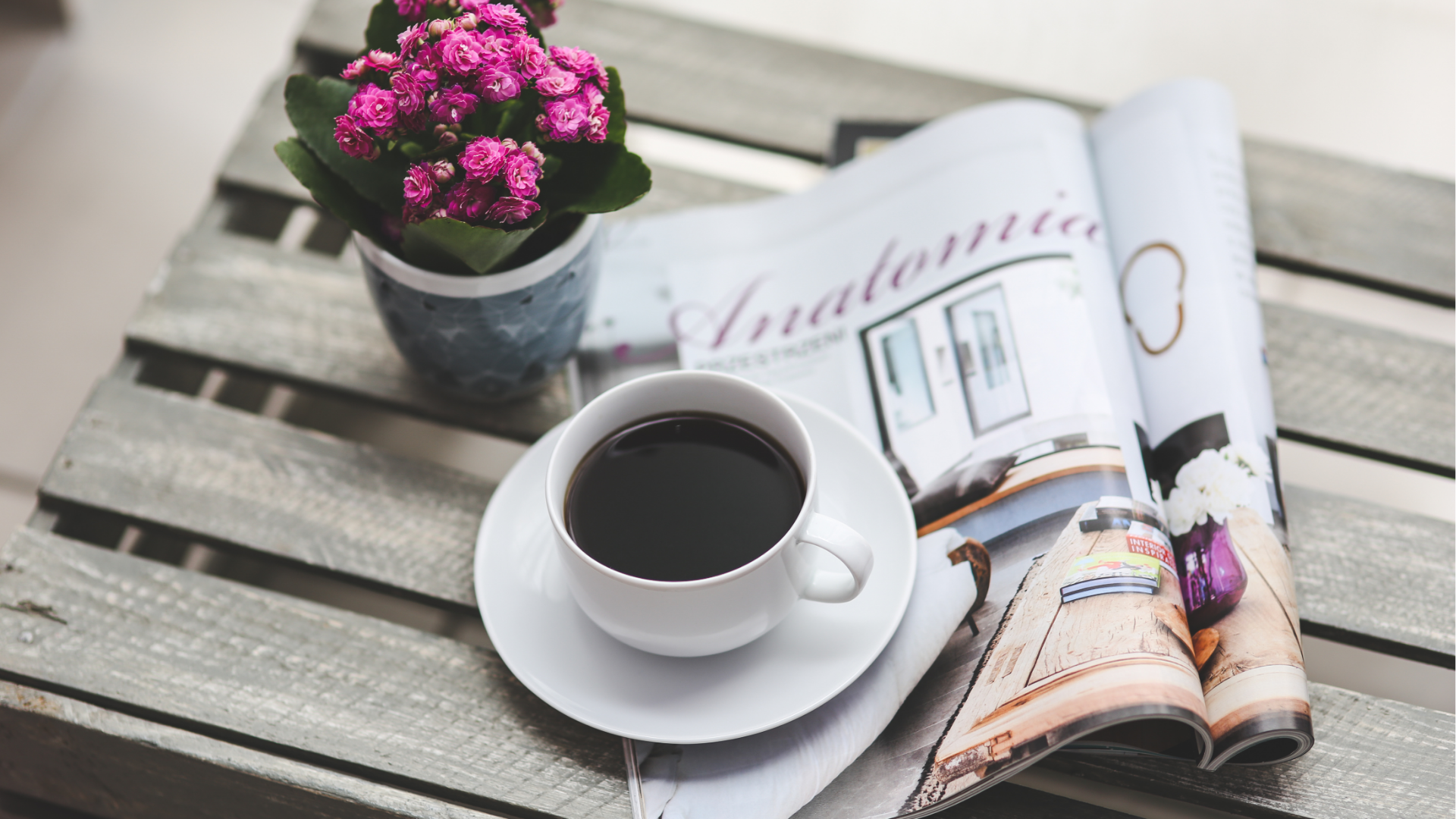
It’s the deep inhale before the day begins. The pause between sips of morning coffee. The choice to take the long way home — just because it feels right. It’s living awake in a world that’s half-asleep.
At its heart, slow living is a way of remembering who you are before the world told you who to be. It’s not about giving up ambition; it’s about redefining it. You still move, but with intention. You still work, but with meaning. You still dream, but on your own terms.
When It All Began
The movement started decades ago with food. When people became tired of fast meals that filled the stomach but starved the soul. But slow living has outgrown the kitchen; it’s become a full-body philosophy. It’s how you eat, work, love, rest, and create. It’s how you exist in rhythm with the seasons, instead of fighting them.
In a culture that idolizes speed, slow living is an act of rebellion — quiet, steady, and brave. It’s saying, “I don’t need to keep up. I just need to keep true.”
It’s less about minimalism and more about meaning. Less about having less, more about being more — present, grounded, human.
For some, slow living means tending a garden and eating what grows. For others, it’s learning to be okay with stillness — to walk without headphones, to end the day without a screen glow. It’s not one way of living; it’s a hundred small choices that all whisper the same thing: “This moment is enough.”
So when we talk about slow living, we’re really talking about presence. About taking back your pace, your peace, your priorities. You don’t need a cabin in the woods or an off-grid home (though those sound tempting). You just need to live on purpose — to meet life with both hands open and say, “I’m here for it.”
That’s slow living…Not slower time — just a fuller life.
The Benefits of Slow Living
When I started to slow down, something strange happened at first. It felt uncomfortable — like the sudden silence after music stops. I’d reach for my phone. Check the clock. Wonder if I was doing something wrong. But then… very slowly, my breath began to deepen. My shoulders started to drop. The noise faded. And for the first time in a long time, I was here in this moment – not the yet to arrive or the one that’s already passed.
That’s the first gift of slow living — presence.
I begin to see things I used to rush past. The twinkling sunlight on the kitchen floor. The rain pattering on the windows. The rich, earthy tones of coffee as it hits my tongue. These are all things we miss when we multitask our way through the days, weeks, and years.
When you slow your pace life stops being something to survive, and starts being something to savour.
Slow living doesn’t hand us more hours — it gives us back the ones we already have. When we stop filling every moment with motion, time stretches, like soft dough under patient hands. There’s space again — for breath, for beauty, for thought.
The Benefits of Slowing Down
The benefits aren’t just poetic; they’re physical. Your heart slows…
Your nervous system stops bracing for impact. Sleep deepens, your digestion steadies, your mind clears. You stop sprinting towards burnout, and your body finally exhales — thank you.
Emotionally, slow living for me feels like a detox, standing barefoot on the earth. You start to reconnect — not just with nature, but with yourself and the people you love. Conversations get longer, laughter comes easier, and even ordinary moments — hanging the washing, chopping vegetables, walking the dog — feel rich and sacred again.
Spiritually, it’s even deeper. You stop chasing the next version of yourself and start who you already are. There’s a quiet kind of strength in that — the strength to be content, to stay present, to trust your own rhythm.
And here’s the wild part: the slower you go, the more alive you become. You realise happiness was never hiding in the next milestone or paycheck — it was waiting in the small, unremarkable now.
That’s the hidden beauty of slowing down. It doesn’t make your life smaller. It makes it…yours.
How to Start Practicing Slow Living Today
The truth is, there’s no perfect way to begin.
You don’t wake up one morning and suddenly become a slower human. You unlearn the hurry, one habit at a time. Slow living starts small — in the cracks of your day.
It begins when you decide that not every moment has to be filled. When you stop checking your phone the second you wake up. When you take your coffee outside instead of drinking it in front of your emails. When you let a conversation run longer than planned, just because it feels good.
You can start by simplifying one corner of your life.
Maybe it’s your mornings. Spend 5 minutes savouring your coffee, no phone, no distractions. Write a thought. Stretch.
Maybe it’s your home. Clear a surface, not for perfection, but for peace.
Maybe it’s your schedule. Stop saying yes to things that drain you, and trust that the world won’t crumble if you say no. Read more about how to say no here.
The important thing is to do what feels right for you.
Ask The Questions
Slow living isn’t about quitting everything, it’s about asking questioning.
- Why am I rushing?
- Who am I trying to please?
- What am I afraid will happen if I just… stop for a second?
You don’t need a new planner or a minimalist wardrobe to slow down (though both can help). You just need to be brave enough to sit in stillness and let the noise catch up without you.
- Try a digital detox for one hour a day — phone off, world off.
- Cook a meal from scratch, even if it takes twice as long.
- Walk without earbuds and listen to your own thoughts, the birds and the wind.
Replace urgency with attention. And most importantly, give yourself grace.
You’ll forget. You’ll slip. You’ll fall back into the rush — we all do. But every time you catch yourself and return to the moment, that’s slow living in motion. It’s not a finish line — it’s a practice. A posture. A choice to live awake.
You don’t need to buy the lifestyle. You just need to live it, in your own imperfect way.
That’s how slow living begins — not with a grand plan, but with a quiet decision to reclaim your pace, one breath, one moment, one heartbeat at a time.
Simple Living at Home — Creating Calm Spaces
Home isn’t just four walls — it’s the rhythm that holds your days together. It’s the quiet between the rush, the place where your soul exhales.
But when life gets loud, home can start to mirror the chaos — piles of stuff, buzzing screens, too much of everything and not enough space to just be. Slow living at home isn’t about sterile minimalism or designer interiors.
It’s about creating spaces that feel like you — honest, unhurried, intentional. The kind of rooms that whisper “come in, take your boots off, stay awhile.”
Start by clearing what you don’t need — not to chase an aesthetic, but to make room for living, not existing.
Every drawer you empty, every shelf you simplify, you reclaim a little more peace. Clutter isn’t just physically draining; it’s emotional. The things we hold onto often carry old versions of ourselves. Letting go is how we make space for who we’re becoming.
Build Rituals
Build tiny rituals into your home life.
- Light a candle before dinner.
- Open a window first thing in the morning.
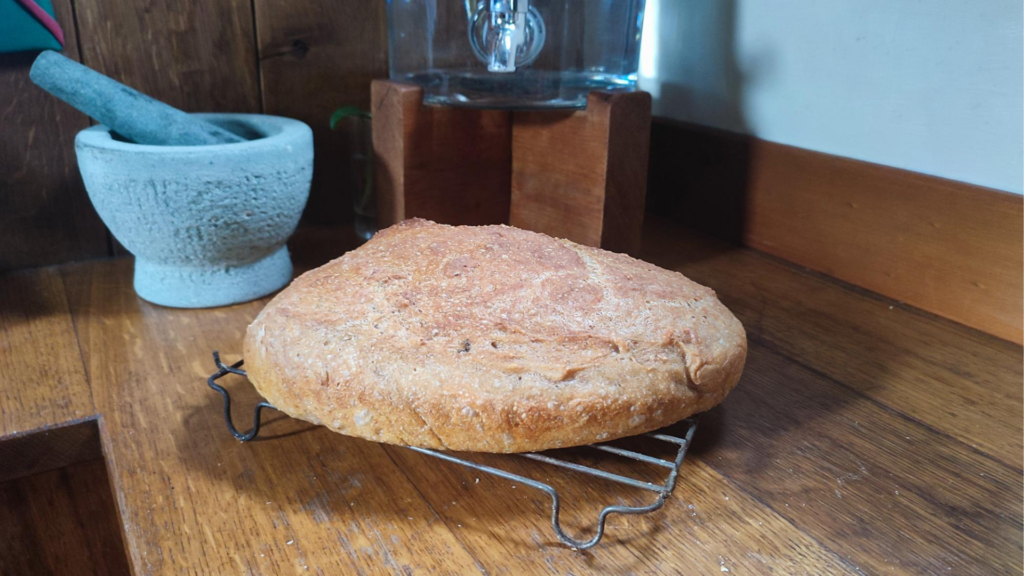
- Bake bread at the weekends.
A slower life thrives in these quiet repetitions — small acts of care that tell your nervous system, you’re safe now.
Choose natural light over artificial glow when you can. Keep a few objects that matter — a photo, a book, a stone from a long walk — and let them anchor your space with meaning. Nature belongs inside too: a sprig of rosemary, a bowl of lemons, a windowsill herb garden. These simple touches bring you back to the earth, even on your busiest days.
Slow living Is not About Perfection (whatever that is)
Don’t chase perfection — homes are meant to be lived in, not curated.
Dust happens. Dishes happen. Life happens. Slow living isn’t about eliminating the mess; it’s about softening your relationship with it. It’s learning to see beauty in the half-folded laundry and gratitude in the clink of dishes after dinner.
When your home breathes, you breathe.
When it’s calm, your mind follows.
It becomes a mirror for the kind of life you’re trying to live — spacious, grounded, and full of quiet joy. So create a home that doesn’t rush you — one that holds you gently, like an old friend who’s seen your storms and still sets another place at the table.
That’s where slow living begins to root itself — right there, in the soil of your everyday life.
Slow Living and the Seasons — Finding Natural Rhythm
There’s a rhythm to everything if you slow down long enough to hear it.
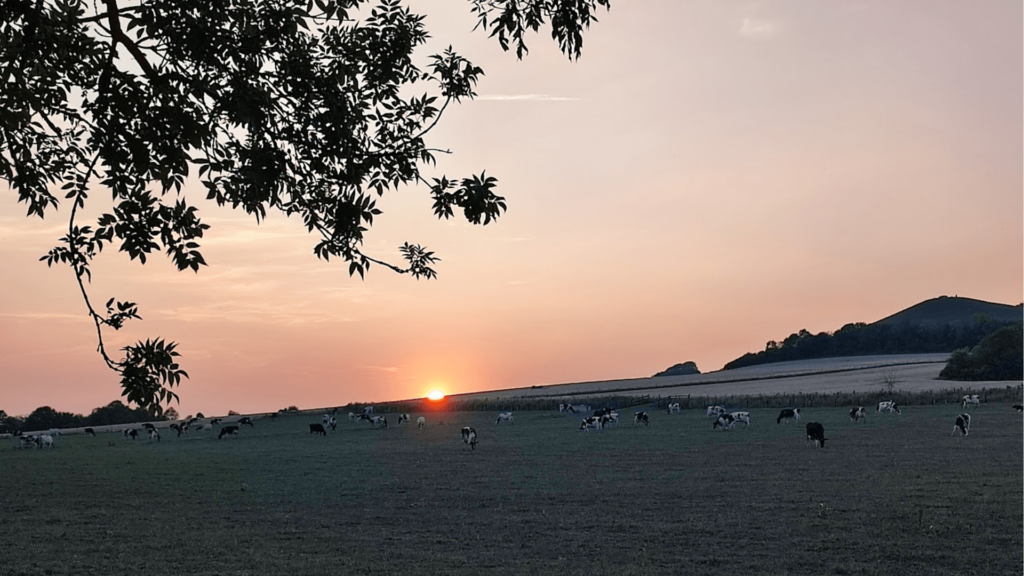
The earth hums in seasons — expanding, resting, blooming, retreating — and somewhere along the way, we stopped listening. We built calendars that never pause and clocks that never forgive. But slow living asks us to remember: we are seasonal too.
Seasonal living isn’t about rustic fantasy — it’s about alignment. It’s tuning your life to nature’s pace instead of the world’s rush. It’s noticing that winter invites stillness, spring whispers renewal, summer bursts with energy, and autumn teaches release. Each season is a quiet teacher if you’re humble enough to listen.
Living With The Seasons
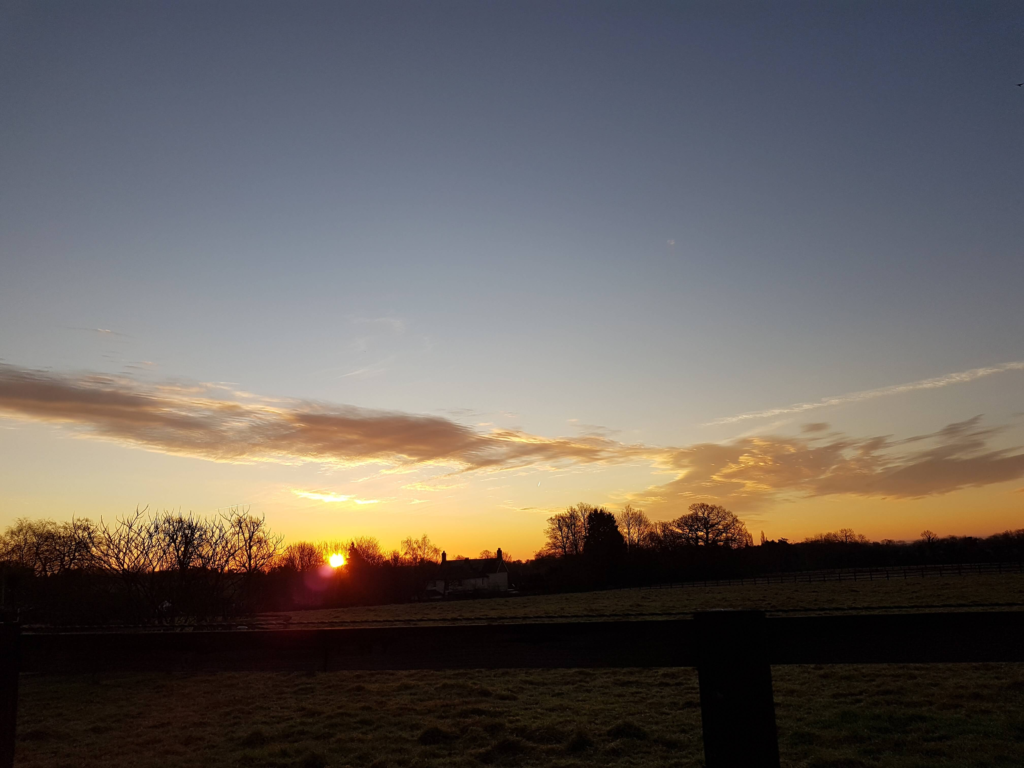
In winter, you’re allowed to rest. You’re allowed to stop striving, to gather warmth, to be still. The trees, plants and animals outside slow down — maybe you should too. Light candles, cook hearty meals, write, reflect and breathe.
In spring, life bursts forward again full of energy. You plant seeds — in soil or in spirit. You try things, build habits, wake up with the light. The air itself feels like possibility.
Summer is motion and connection — the warmer days and lighter evenings, barefoot mornings, the air full laughter, lazy afternoons. It’s about being in your life instead of managing it. Let the days be messy and magnificent.
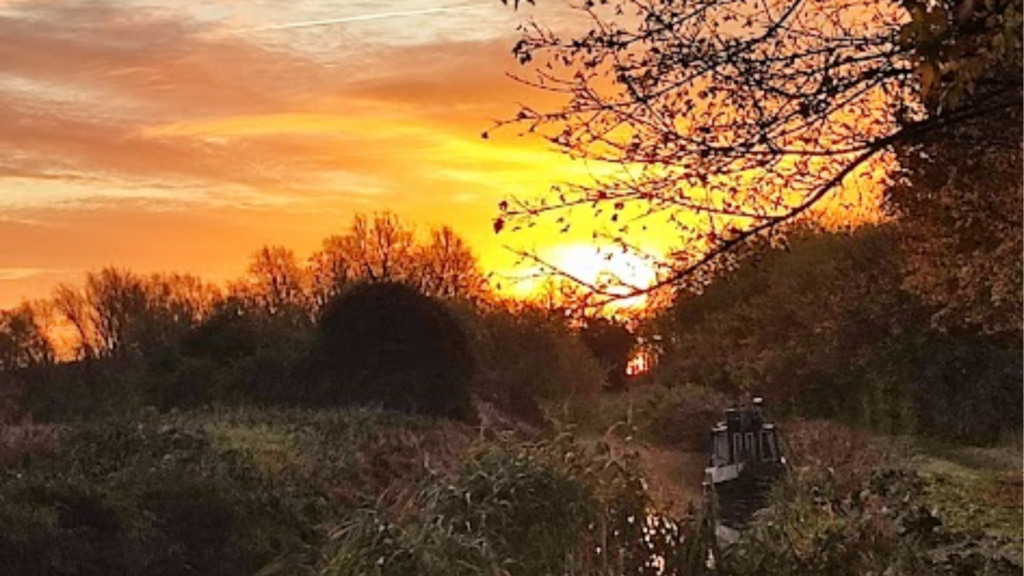
And then autumn comes, with its golden honesty — the great letting go. Like the trees you prune, you shed, you give thanks. You harvest what you’ve grown and release what you can’t carry into winter.
That’s slow living in its purest form — not just living with less, but living with rhythm. When you start to live seasonally, life stops being a straight line and becomes a circle again. Each turn of the year becomes a reminder that slowing down isn’t a weakness — it’s a return to your natural state.
Bring The Seasons into Your Home and Habits.
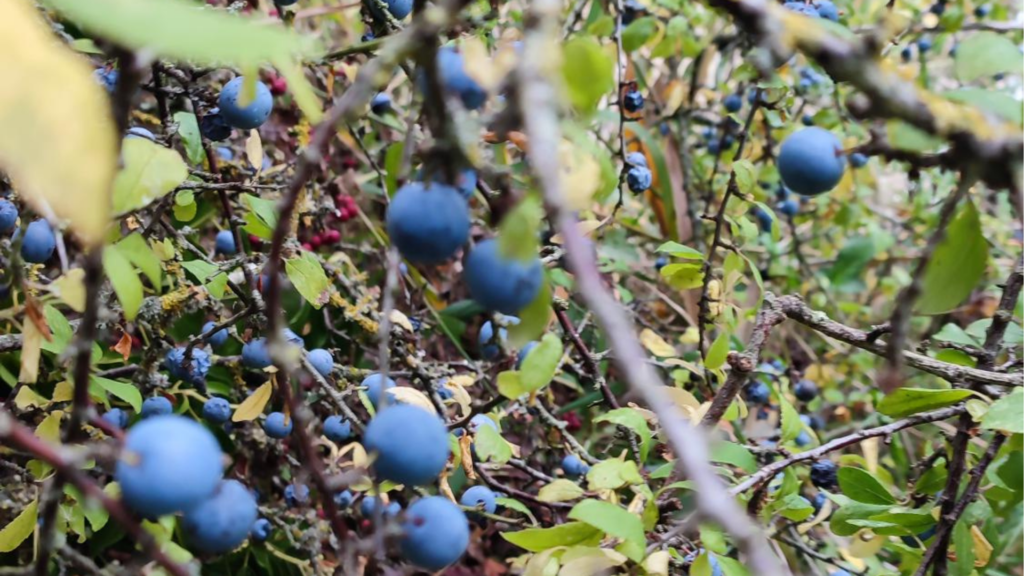
Eat food that belongs to the month you’re in — strawberries in June, raspberries in July and parsnip in January. Let your décor shift with the light. Let your energy ebb and flow instead of forcing it into sameness.
When you align with the seasons, burnout softens. You stop fighting time and start dancing with it. The world feels less like a race and more like a rhythm you belong to — ancient, steady, forgiving.
Slow living isn’t just about moving slower; it’s about moving with something greater. To live seasonally is to remember that nature doesn’t rush — and still, everything gets done.
Common Myths About Slow Living
Let’s be honest — the world has misunderstood slow living.
Somewhere between glossy Pinterest boards and curated cottagecore reels, the message got dressed up and polished until it barely resembled real life. But slow living was never meant to be an aesthetic — it’s a stance. A way of standing firm in a world that keeps shouting faster.
So, let’s set the record straight.
Myth 1: Slow living means doing nothing.
No. Slow living isn’t about stopping — it’s about showing up differently. It’s working, creating, parenting, dreaming — but with intention instead of autopilot. You can live slowly and still build a business, raise kids, travel, hustle even. But you do it with awareness. You know when to rest, when to push, and when to walk away.
Myth 2: Slow living is only for people with time or money.
Another lie. You don’t need a cabin in the woods or a vintage Land Rover to slow down. You can live simply in a city flat, in a rented room, in a life that still has bills and noise. Slow living isn’t about where you live — it’s about how you live inside what you have. It’s choosing presence in the middle of the mess. It’s freedom of pace, not privilege of place.
Myth 3: Slow living is about perfection.
If you’ve ever seen a “perfectly slow morning” post online — you know, linen sheets, avocado toast, sunlight pouring in like a movie. Here’s a secret: real slow living is messier, louder, truer. It’s the kettle boiling while your kid asks where their shoes are. It’s the phone ringing when you’re trying to meditate. It’s finding stillness inside imperfection.
Myth 4: You have to give up ambition to slow down.
No — you just change what you’re ambitious for. Slow living doesn’t kill drive; it purifies it. You stop chasing validation and start pursuing meaning. You stop measuring worth in speed and start measuring it in depth. You can still want big things — you just don’t need to sacrifice your peace to get them.
The truth is, slow living isn’t an escape — it’s a homecoming. It’s not a luxury; it’s a necessity for a soul that’s tired of burning out for nothing. It’s what happens when you finally decide that a peaceful life isn’t a lesser one — it’s a stronger one.
Slow living isn’t about doing less. It’s about being more alive while you do it.
How Slow Living Connects with Sustainability and Mindful Consumption
When you start living slowly, something beautiful — and a little uncomfortable — begins to happen. You start to see.
You see the waste. The noise. The things you bought to fill a space that only peace can fill. You realise that slowing down isn’t just about your calendar — it’s about your footprint, too.
Slow living and sustainability are kindred spirits. They both begin with one radical question: what’s enough?
The truth is, we’ve been sold a version of “the good life” that runs on endless consumption. Bigger houses, faster fashion, more convenience. But the real good life doesn’t need more — it needs meaning.
Mindful Consumption
When you slow down, you stop chasing what’s shiny and start honouring what lasts. You repair, reuse, repurpose. You grow things. You make things. You buy less but better — not because it’s trendy, but because it feels right.
That’s mindful consumption — and it’s the quiet backbone of slow living.
It’s being awake in a world that thrives on sleepwalking. It’s asking: Where did this come from? Who made it? What cost did comfort carry? And instead of guilt, you meet those questions with grace — and choice. You choose fewer things, deeper care, smaller footprints.
Living slowly naturally folds into sustainable living, because when you stop rushing, you stop wasting. You plan meals instead of throwing them out. You walk instead of drive. You buy clothes that last more than a season. You reconnect with the old ways that made sense — mending, trading, cooking from scratch, growing herbs on your windowsill.
A Sustainable Life
But sustainability isn’t just environmental — it’s emotional. It’s asking yourself: Can I sustain this life I’m living?
If the answer is no, something’s off. True sustainability is about designing a life that doesn’t deplete you, the people you love, or the world you live in.
Slow living doesn’t demand perfection. It’s not about carbon scores or purity — it’s about consciousness. It’s the act of living with your eyes open, your hands steady, and your choices aligned with your values. It’s where the soul and the soil meet.
So plant something. Buy less. Fix what’s broken — in your home, your habits, your heart.
That’s sustainability. That’s slow living. Two sides of the same beautiful rebellion — one that says: I will live gently, but I will live awake.
Living Intentionally in a Fast World
Slow living isn’t about moving backward — it’s about coming home.
Back to your breath…
Back to your senses…
Back to a life that feels like your own.
Because here’s the truth: the world isn’t going to slow down for you.
The emails will keep coming. The cities will keep humming. The noise won’t stop. But you can. You can choose to live differently. You can choose to step out of the race — not in defeat, but in quiet defiance — and build a life that runs on meaning instead of momentum.
Give Yourself Grace
Living intentionally isn’t easy work. It asks you to look at the life you’ve built and ask, is this mine? It asks you to stop numbing yourself with busyness, to let go of the shiny distractions that keep you from stillness, and to trust that enough really is enough.
Slow living is rebellion, yes — but it’s also grace. It’s the courage to live small in a world obsessed with scale. To go deep instead of wide. To build roots, not followers. To create a life that feels good, not just one that looks good.
Maybe for you, that starts with one slow meal. Maybe it’s turning your phone off on Sundays. Maybe it’s finally planting those tomatoes you’ve been talking about for years.
Small things matter. Because slow living isn’t about grand gestures — it’s about attention. When you give the world your full attention, everything changes.
So here’s your invitation: Stop chasing. Start choosing. Live like every day is worth your presence. Because it is.
And when you finally start to live intentionally — not perfectly, not slowly for the sake of slowness, but deliberately — that’s when life starts to hum again. Not loud, not fast. Just steady. Just true.
That’s the rhythm of a simple life. That’s what it means to be a Simple Life Explorer — not escaping the world, but learning to live wide awake inside it.
FAQs
What does “slow living” actually mean?
Slow living is a lifestyle and mindset that emphasises living with intention, presence and awareness — rather than rushing from one thing to the next. It means doing things at a pace that feels right, prioritising what matters most (relationships, well-being, connection with nature), and rejecting the “busyness = success” mentality.
Where did slow living come from — is it a new trend?
The idea belongs to a broader cultural movement called the Slow movement, which emerged in the 1980s. It began with the Slow Food movement, which pushed back against fast-food culture, and later expanded to include “slow” approaches to other domains of life such as work, leisure, travel, and parenting.
Is slow living the same as minimalism?
Not exactly. While there is overlap — both slow living and minimalism often value simplicity and rejecting overconsumption — slow living is more about pace, intention, and presence. Minimalism more narrowly emphasises owning fewer things and reducing clutter. Slow living can include decluttering, but it’s more broadly about how you live and what you prioritise.
Do I need to change my whole life to adopt slow living?
No — slow living doesn’t require a complete life overhaul. Many advocates recommend starting small: maybe a morning ritual, a quiet meal without distractions, a walk without your phone. Over time, small intentional shifts can accumulate into a slower, more mindful lifestyle.
What are the benefits of slow living?
Some of the main benefits include decreased stress, more presence and calm, deeper connections with people and nature, more meaningful time, and a lifestyle aligned with your values (rather than external pressures).
Is slow living realistic for people who are busy or live in cities?
Yes — slow living is a mindset, not a location or socioeconomic status. It can be practised anywhere, whether in the countryside or a busy city; it’s about choosing what matters, being intentional with time and choices, rather than necessarily having more free time or space.
Does slow living mean rejecting technology or modern conveniences?
Not necessarily. Slow living doesn’t demand a tech-free life. It’s more about being intentional about how and when you use technology — ensuring it serves your values and well-being rather than distracts or overwhelms.
How do I start practising slow living?
Some simple starting points:
Reflect on what’s meaningful to you, and adjust your lifestyle accordingly.
Introduce daily rituals (morning tea, journaling, mindful eating)
Simplify your environment — declutter, create calm spaces
Incorporate more nature and slower activities — walking, cooking, reading
Slow down routines: allow time to breathe, to be present
Can slow living help with stress, burnout or mental overload?
Yes. By reducing the pressure to constantly rush, helping you reclaim your time and attention, and encouraging a slower, more mindful pace, slow living can support mental well-being, reduce overwhelm, and create space for self-care and reflection.