

Table of Contents
What You Will Discover In The Slow Living Guide
This slow living guide is an invitation to you to explore a slower way of living. It’s something I offer myself when life starts to buzz a little louder than I’d like. It’s my way of stepping out of the noise – not dramatically, not all at once – but slowly enough that I can hear my own thoughts again.
When I started paying attention, I realised there were subtle signs that I was moving faster than I should – days when my mind felt crowded before I’d even opened my laptop.
I noticed moments when home – usually my haven – began to feel a little too busy. But instead of finding quiet, I’d often find myself scrolling without purpose, chasing nothing in particular. You might recognise some of these things in yourself too.
This isn’t about escaping modern life. I live in the middle of it — on the canal, surrounded by the quiet hum of people moving, cycling, working, living. I don’t want to disconnect from the world; I just want to move through it without losing myself in the rush.
So I began making space again. Little pockets of pause. Small, steady shifts that helped me return to a rhythm that felt more like mine — the kind of pace where my shoulders relax, my senses wake up, and I can actually feel the world I’m living in.
If you’ve ever felt that same pull for softness — a longing for calm, clarity, or a more human pace — you might recognise these moments too. For me, a slow living detox isn’t a makeover. It’s a gentle return. A way of clearing the static so life feels real again.
And in this guide, I’ll share the small practices that helped me detox my mind, my home, my days, and even the digital corners of my life — the shifts that slowly brought me back to myself.
In the guide to a slow living detox, you’ll discover simple ways to:
- Your mind
- Your home
- Your energy
- Your digital world
- Your commitments
- Your daily rhythm

What a Slow Living Detox Really Is (And Why We Need One)
I’ve had those moments (you may have had them too) — the quiet ones that don’t look like much from the outside — when I suddenly notice that life has become louder than I ever meant it to be. Not because I invited the noise in, but because it slips through the cracks so easily.
A little rush here. A bit more pressure there. One extra message. One tiny obligation I didn’t account for. And before I realise it, my days are moving at a pace my spirit never agreed to.
I feel it most on the mornings I want to be gentle with myself. The ones where I planned to brew tea slowly and write for a client with the boat still and the water soft. But instead the world barges in — WhatsApps pinging, emails multiplying, missed calls lighting up the phone, the kettle whistling impatiently like it’s had quite enough of waiting for me.
There’s a moment, right in the middle of all that noise, where something inside me quietly tugs. An ache, but a soft one. A longing for space I haven’t taken. For breath I’ve forgotten to give myself. For simple living that feels like it fits again — not the life that rushes past me, but the one I can actually inhabit.
That’s usually the point where I realise things need to change. Not a big reset or a dramatic change, but a gentle clearing out of whatever has piled up without me noticing. For me, it’s stepping back from the constant checking, the small pressures, the little bits of noise I’ve let build up around the edges of my days.
A slow living detox is about giving myself room again — room to think, to feel, actually to be in my own life. And the more I pay attention, the more I see how necessary it is. Because without these small pauses, life speeds up quietly, and before we know it, we find ourselves trapped in the bustle of life, moving faster than we ever meant to.

Why I Find Myself Needing a Slow Living Detox in a Fast-Paced World
There are days when disappearing to a cabin in the woods sounds like the most reasonable solution I could imagine. But I’ve learned that I don’t need to escape my life to come back to myself. For me, it isn’t about throwing everything away or starting again — it’s more like gently clearing the noise, both the kind that gathers around me and the kind that quietly builds inside.
It’s a way of remembering the rhythm my life feels best in… the one that’s steady, grounded, human. The one I forget when I get swept into everyone else’s urgency.
Sometimes I notice the need for it when my days begin to blur — when I feel overstimulated or stretched thin by things that don’t actually matter to me. Other times it shows up in much smaller ways. A heaviness I can’t name. A restlessness in my chest. A feeling that I’m here, but not quite in my life. You might have felt this too.
And then there are the moments I long for more than anything — the textured, soulful ones I miss when I’m moving too fast. Watching the way morning light spills through the portholes of the boat. The sudden chill of bare metal on my feet as I step out, hot tea warming my hands, to watch the sunrise and feel the world shift around me. These are the things that pull me back.
For me, a slow living detox is a return — not dramatic, not perfect, not even particularly organised. Just small shifts that soften the hard edges of my days. Tiny rituals that bring me home to myself. Choices that feel like exhaling. And a gentle willingness to move at the pace of the season I’m in, not the season the world expects.
Ritual by ritual…Choice by choice…Season by season. A quiet recalibration that reminds me I’m allowed to live gently.

What a Slow Living Detox Actually Looks Like in My Daily Life
When I strip everything back, I’m reminded that slow living has never been an aesthetic for me. It’s not the tidy shelves, or the perfect kitchen, or the serene morning routine the internet likes to dress it up as. It’s simpler than that. Softer. Far more human.
For me, a slow living detox looks like relearning the sound of my own thoughts — the ones that get drowned out when life becomes too busy. It looks like rebuilding trust with my body, noticing what it asks for instead of marching past it. It looks like letting go of the noise that fogs my clarity, and making more room for the things that help me feel rooted and alive.
II notice the shift begins in small ways. My breath deepens without me forcing it. I start to really see the world around me again — the texture of the wood grain on my table, the changing light on the water outside, the warmth of the mug in my hands. My shoulders slowly relax and drift away from my ears.
Slow living is a return to all the things I forget when I move too fast: the steadier breath, the presence that softens my nervous system, the moments I feel truly inside my life rather than racing alongside it.
Sometimes it’s as simple as standing barefoot on the boat’s cold bow in the morning and letting the grounding sensation fully reach me. Sometimes it’s noticing the smell of my home — tea, bread dough, wood, whatever the day carries in — and feeling comfort instead of pressure. Sometimes it’s just reminding myself that my rhythm doesn’t have to match anyone else’s. It never did.
And the more I return to these tiny moments, the more something shifts inside me. Life stops feeling like something I’m trying to catch up to… and becomes something I’m quietly inhabiting again.
A slow living detox can mean something different to us all. For me, it isn’t about removing things. But returning — breath by breath, moment by moment — to the life that feels like mine.
Why a Slow Living Detox Matters in 2026
At the centre of any slow living detox is a truth that’s easy to forget in a world that never stops moving: you are allowed to live at a pace that feels human for you.
You don’t always need to be productive, efficient, or optimised. You can just be… human. It is enough.
Somewhere along the way, many of us learned to carry more than we were ever meant to hold. We adjust, we cope, we stretch ourselves wafer thin. We speed up to match the world around us—until one day we look up and notice we can’t hear ourselves anymore. Not really. Not beneath the noise, the tasks, the pressure to keep up.
And that’s where a slow living detox begins. Not with decluttering a room or deleting half your apps, but with a quiet, honest return to your inner rhythm. Because we’re not here just to do. We are here, to live, to feel and experience the amazing world around us.

Why a Slow Living Detox Matters in 2026
At the centre of any slow living detox is a truth that’s easy to forget in a world that never stops moving: you are allowed to live at a pace that feels human for you.
You don’t always need to be productive, efficient, or optimised. You can just be… human. It is enough.
Somewhere along the way, many of us learned to carry more than we were ever meant to hold. We adjust, we cope, we stretch ourselves wafer thin. We speed up to match the world around us—until one day we look up and notice we can’t hear ourselves anymore. Not really. Not beneath the noise, the tasks, the pressure to keep up.
And that’s where a slow living detox begins. Not with decluttering a room or deleting half your apps, but with a quiet, honest return to your inner rhythm. Because we’re not here just to do. We are here, to live, to feel and experience the amazing world around us.

What Slow Living Really Looks Like (Beyond the Aesthetic)
The more I slow down, the more I realise that slow living was never meant to be an aesthetic. It isn’t the curated cottagecore scenes or the immaculate kitchens or the handmade-everything ideal the internet romanticises. It isn’t a performance. It isn’t even something you can photograph properly.
For me, slow living feels more like a relationship — the one I have with my own life. A closeness. A quietness. A willingness to pay attention.
When things start to feel too loud, my “detox” is simply the way I tend to that relationship again. It’s the moment I begin listening to my own thoughts instead of drowning them out. It’s the gentle rebuilding of trust with my body, learning once more what feels nourishing and what feels draining. It’s giving myself permission to move at a pace that matches my energy, not the world’s demands.
Over time, I notice myself returning to things I forget when I rush.
I return to presence — the kind that softens something deep inside me. I return to my values — the ones that matter to me, not the ones I think I’m supposed to care about. I return to rhythm — quiet and steady, shaped by the water outside my window and the way my mornings naturally unfold.
And when I do, something small but powerful always shifts.
Life stops feeling like something I’m trying to chase… and becomes something I’m gently inhabiting again. Something I can actually feel myself living inside.
How a Slow Living Detox Helps Us Reconnect
Every time I begin to slow down, even just a little, I notice how far I have drifted without meaning to. It’s subtle at first — a breath that comes easier, a thought that lands more clearly. Then something inside loosens, like my body finally believes I’m listening again.
Embracing a slow living detox is less about changing life and more about returning to it. Returning to the version of yourself that exists underneath the rush. The one who pays attention. The one who feels grounded by the simplest things. For me that’s the warm light on the boat’s wooden panels, the quiet lap of water against the hull, the way steam curls from my mug in the early morning chill.
When I begin to clear the noise, I can hear myself again (and I’m sure you will too).
Not the frantic version of me trying to keep up with everything, but the quieter one — the truer one — who knows what she needs without overthinking it.
I start to notice how my energy shifts throughout the day, when my mind feels open and when it feels full. I notice how my body softens when I let myself pause instead of pushing to the next thing. I notice how much more alive the world feels when I’m actually inside it — not just moving through it on autopilot.
It’s strange how easily clarity returns when I create even the smallest bit of space. Sometimes it’s just a few minutes by the window. Sometimes it’s a walk along the towpath. Sometimes it’s sitting on the bow while the water carries the day away.
But every time, the same thing happens: Life feels like it belongs to me again. That’s the quiet power of slowing down — it brings me back to myself in a way nothing else can..

Signs I Know It’s Time for a Slow Living Detox
The signs don’t arrive dramatically for me. They rarely announce themselves with anything loud or urgent. Instead, they tend to whisper — small nudges, tiny cracks in the rhythm of my days that tell me something inside has started to drift.
Sometimes it shows up in the evenings, when I sit down and realise I’ve been everywhere except inside my own body. My day has happened around me instead of through me, and I feel slightly out of sync, like I’ve been rushing without noticing the speed.
Other times, it’s my mind that gives it away. A kind of crowded feeling. Confused thoughts stacked too close together. A sense of being overwhelmed by things that never used to bother me — the hum of notifications, the clutter on the table, even the way the light flickers on the water when I’m already stretched thin.
There are days when concentrating feels harder than it should, even on things I care about. My mind jumps, scatters, gets lost in the fog of unfinished thoughts. Those are the days when I instinctively crave silence — not the dramatic kind, just the kind that lets my shoulders drop a little.
Sometimes the signs are physical. I’ll notice my breath sitting high in my chest. Or realise my jaw has been clenched for hours, (you might notice this too). My sleep becomes disturbed and I wake feeling tired, like someone has stolen my sleep.
Other times, it’s more emotional. A low hum of irritability. A restlessness I can’t quite name. A feeling of always being on, even when nothing in particular is happening.
And then there are the simplest signs — the ones I’ve learned to trust more than anything.
When I long for a slower morning. When I crave a quiet cup of tea without the world tugging at me. When I feel pulled toward gentler moments — the ones I usually savour, but somehow keep overlooking when life gets too loud.
Even my home speaks to me in its own way. Not through mess — sometimes everything is tidy — but through a kind of energetic clutter. A surface that feels busy. A corner that feels heavy. A sense that the space is asking more of me than it’s giving back.
And the clearest sign of all? When I catch myself yearning for a different pace. Not a different life — just a softer way of living the one I already have.
Whenever these signs show up, you know it isn’t because you’ve failed at anything. It’s simply a quiet reminder that you’ve drifted from yourself…and it’s time to find your way back.
Emotional and Environmental Signs You Need a Slow Living Detox
Other times signs are emotional: a low hum of irritability, a restlessness you can’t name, a sense that you’re always “on,” even when nothing urgent is happening.
You might catch yourself longing for simpler moments — a slower morning, a quiet cup of tea, time to think without interruption. And maybe you judge yourself for that longing, as if wanting gentleness makes you unrealistic. But it doesn’t…it makes you human.
Another sign might be: your home starts to feel too busy, not because it’s full of things, but because it’s full of noise — visual, emotional, energetic. You move through your rooms, restless, as if your space asks more of you than it gives back.
Or perhaps your days feel “crammed,” even when the calendar looks normal.This is one of the clearest signs. A life doesn’t need to be full of tasks to feel full. Sometimes the fullness comes from carrying too much mentally and emotionally.
And then there’s the deepest sign — the one many people ignore:
you’ve started yearning for a different pace, even if you haven’t said it out loud.
A digital detox isn’t for people who are failing, but for people who are feeling.
People who sense the difference between a life that looks fine and a life that feels aligned.
The people who recognise the whisper before it becomes a roar.
If any of these signs feel familiar, you’re not doing anything wrong. You’re simply hearing the call to come back to yourself. And that is a very good place to begin.
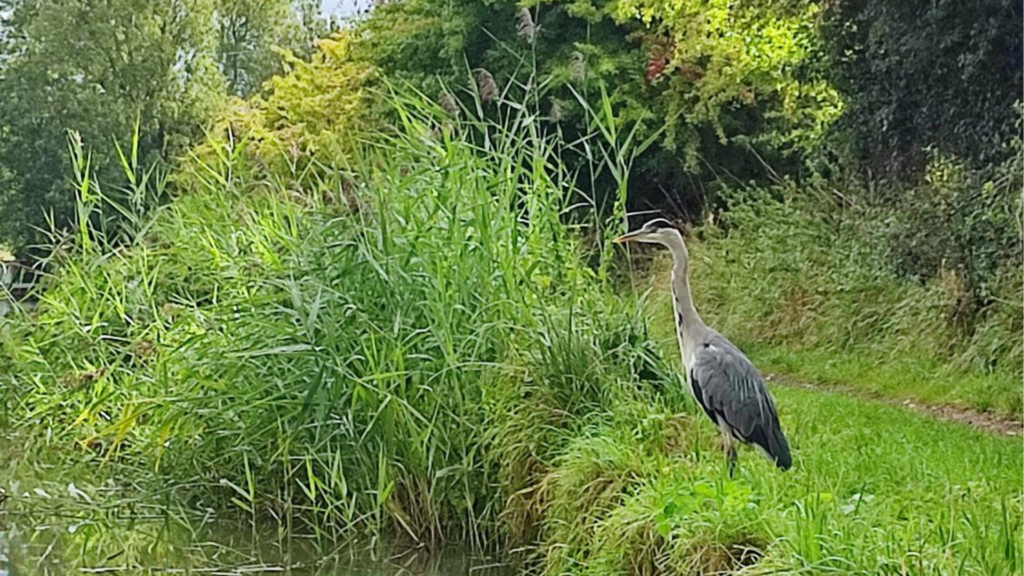
Detoxing Your Mind: Creating Mental Stillness in a Noisy World
I sometimes find there is a particular kind of tiredness that doesn’t show up in my body. It settles somewhere quieter — in my thoughts, my focus, my inner space. It’s a kind of tiredness that makes my mind feel full…overwhelmed…too busy.
A tiredness that makes simple decisions feel heavier than they should. This tiredness leaves me craving stillness without quite knowing how to find it.
This is where the slow living detox begins to work its soft magic: giving my mind room to breathe again. Because the truth is, most of us move through our days carrying an invisible weight.
Not just tasks and to-dos, but reminders, expectations, alerts, and emotional residue. Then there are the plans we haven’t made yet, conversations we’re holding onto, and thoughts that never fully finish.
Our minds become a crowded table where nothing ever gets put away. This often happens to me when everything piles up. Deadlines are looming, but I’m still waiting for approvals, groceries are running low, and the messages start to stack up and need attention.
Stillness Is not Just Emptying Your Mind
Mental stillness isn’t about emptying your mind. It’s about creating space inside it — enough space for clarity, gentleness, and presence to return.
And you probably don’t need hours of meditation or a silent retreat to do this. You just need moments where your mind feels held instead of hurried.
Sometimes it looks like stepping outside for one minute and breathing in the cool air…Standing by the window, watching the weather shift…Or the warm ritual of making tea with both hands (instead of as a side task).
Stillness often begins with something physical. Then your mind follows your body — not the other way around.
Simple Grounding Practices For A Slow Living Mind Detox
My favourite grounding rituals that can bring us back into ourselves:
- Warm your hands under running water until your shoulders drop
- Walk barefoot and feel the ground hold you.
- Sit with a comforting scent — a candle, essential oil, or the smell of something cooking.
Let your breath fall into its natural rhythm without forcing it. You may notice something subtle happen: your thoughts slow down to match your body’s pace.
Mental detoxing also means gently releasing what you’re mentally carrying. Sometimes that’s as simple as writing down the three things swirling in your head. Not perfect journaling. Not deep reflection. Just transferring weight from mind to page.
Or give yourself permission to think one thing at a time — a practice almost forgotten in our multitasking world.
For me clarity returns slowly, like light moving across a room. Not in a rush, not all at once, but steadily.
Another part of detoxing the mind is learning to recognise when you’re overstimulated. Noticing those small signs — the shorter fuse, the scattered thoughts, the restlessness — and choosing something that brings you back to centre instead of pushing through it.
Mental stillness isn’t the absence of thought, but the presence of yourself. It’s the moment you remember that you’re not here to race your own life. You’re here to live it — gently, fully, deeply.
And when your mind finds stillness, even for a moment, your entire being can feel different. Quieter, clearer. and more yours somehow.
Detoxing Your Home: Clearing Visual & Emotional Clutter
There’s a quiet truth about our homes that we don’t talk about enough: they hold our energy long after we’ve moved on from the day. Not just the physical mess — the cups, the laundry, the things waiting to be put away —but the emotional traces too.
The thoughts we carried through the kitchen. The worries we set on the table “just for a moment.” The pace we walked with. The way we breathed (or forgot to).
Your home remembers all of it.
When life feels full, busy, or overwhelming, space absorbs that fullness. And before long, our home stops feeling like a place that restores us and starts feeling like another thing asking something from us.
This is where a slow living detox becomes less about tidying and more about tending. Because detoxing your home isn’t about reorganising everything you own. It’s about creating a space that supports the pace you want to live in — rather than the one you’ve been pushed into.
How It Begins
It begins with noticing. Noticing what feels heavy and what feels too loud. Seeing the objects that bring warmth and the ones that drain you. Noticing the corners that give you comfort and the ones you avoid without understanding why.
Every home has places where energy gathers. A chair that collects unfolded laundry…A table that becomes a landing strip for every stray thing… A surface that seems to attract clutter, the way a magnet attracts metal.
These aren’t failures. They’re signals. Little whispers telling you where life needs softening.
For me, it’s the basket by the door that somehow collects everything — notebooks, scarves, things I set down “just for a moment” and then forget. When that basket is overflowing, I know I’m living faster than my space can hold.
A slow living detox doesn’t demand a total clean-out. It asks for one corner. One drawer. One shelf cleared with intention, not urgency. When you shift a small space, your whole home exhales a little.
How to Create Calming Spaces During Your Slow Living Detox
Focus on creating pockets of calm — tiny sanctuaries that make your nervous system relax the moment you see them.
- A bedside table with only the things you love.
- A kitchen counter with space to breathe.
- A chair by the window that feels like an invitation instead of a catch-all.
The sensory environment matters more than many people realise. Soft light. Natural textures. A scent that feels grounding — wood, citrus, herbs, something warm. Even the way sunlight moves across a room can change the way your body feels inside that space.
Visual clutter becomes mental clutter. But visual softness becomes mental softness.
Your home doesn’t need to be perfect or minimal. It just needs to feel like a place that welcomes you back to yourself — a space that says, “You can slow down here.”
A companion on your journey, not a project, not a performance. But a place that holds you gently, quietly, as you learn to live differently. Because when your home starts to feel calm, you begin to feel calm too. It’s all connected. And your home is ready to support the pace you’re longing for — one small shift at a time.

Detoxing Your Energy Through Seasonal Living
There’s a reason the world feels easier to hold when you pay attention to the seasons.
Nature doesn’t rush. It doesn’t force. It doesn’t apologise for needing time, or rest, or renewal. It simply follows its rhythm — steady, cyclical, unapologetically itself.
The slow living detox invites you to do the same, to embrace the seasons.
For me, much of the heaviness we carry comes from living out of sync with the world around us. We push when we’re meant to soften. We try to bloom in seasons meant for resting.
We expect endless summer energy from a body that moves in winter rhythms. And we forget that we are nature too — not separate from it, but made of it. Seasonal living offers a way back.
It helps you understand why certain months feel full and others feel tender. Why some seasons call you inward and others ask you to expand. Why your energy isn’t supposed to be constant — and never was.
Detoxing our energy through seasonal living isn’t about rituals that look a certain way.
It’s about learning to live in harmony with the season we’re in, inside and out.
Each season gently suggests a different rhythm to us:
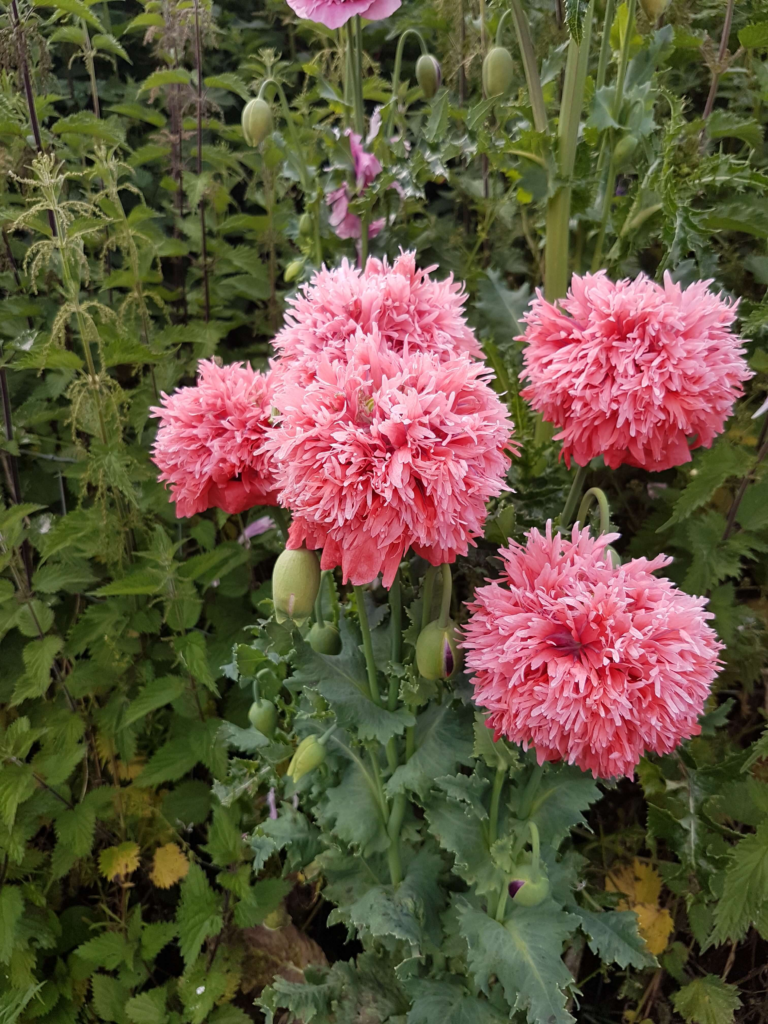
What Each Season Offers Your Slow Living Detox
Spring — Clearing & Awakening
Spring is the season of gentle beginnings. Not a dramatic change, but small stirrings.
As the light grows, our energy lifts too — slowly, tenderly. This is the time for clearing: our mind, our space, and our habits. Not aggressively — but the way you might open a window on the first warm day.
On the canal, spring shows up in tiny ways — lighter mornings filtering through the porthole. The sound of birds returning. The first day, I can open the doors without reaching for a blanket. My energy always starts to lift with the light.
Summer — Expanding & Savouring
Summer teaches us to inhabit our lives fully. To savour, to feel, to be present in your senses.
This is the season of reconnecting with joy, warmth, and togetherness. Our energy naturally rises with the longer, lighter days — not as hustle, but as aliveness.
Autumn — Grounding & Gathering
Autumn brings us back to steadiness. It invites reflection, preparation, and gentler evenings as we move into the darker months.
We begin to slow your pace without losing your depth. It’s a season of nourishment — soups, blankets, deeper breaths.
Winter — Resting & Remembering
Winter is not a season of failure. It is the season of restoration. Stillness is not stagnation — it is healing. This is the time to go inward, to soften routines, to choose quiet. Nature isn’t blooming in winter, and we aren’t supposed to either.
Aligning Your Energy With the Seasons
When we align our inner world with the seasons, our body feels less resistant. Our minds stop fighting for energy we don’t have. Our heart stops comparing themselves to others living in different seasons of life. Our days become less about pushing and more about listening.
A seasonal slow living detox helps release the energy that isn’t ours to carry — and call in the energy that is.
It reconnects us with rhythm. With cycles and the truth that balance doesn’t come from doing everything the same way all year…but instead from honouring what each season is here to teach us.
When you live seasonally, you stop rushing your life. You move with it. You allow it. You breathe with it. And slowly, beautifully, your energy begins to feel like it belongs to you again.
Detoxing Your Daily Rhythm: Rebuilding a Life That Feels Like Yours
There’s a rhythm underneath your life — a natural tempo that belongs only to you. And when that rhythm gets buried beneath urgency, obligation, or the constant pull of “what’s next,” days can start to feel like something you’re chasing instead of something you’re living.
A slow living detox helps you find that rhythm again.
Not the rhythm you think you should have. Not the one you see online or envy in someone else’s carefully curated routine. But the rhythm that feels like breathing… steady, honest, and unmistakably yours.
Most of us don’t lose our rhythm all at once. We lose it in tiny ways. We begin to rush through moments meant to be savoured. We ignore our tiredness because the clock tells us it’s too early to rest. We push past the signals our body is quietly whispering.
And after a while, the day doesn’t feel like a flow — but some kind of race you didn’t even sign up for.
Detoxing your daily rhythm doesn’t require a complete overhaul. It requires a shift in how you listen. Rhythm isn’t built through strict routines. It’s built through anchors — small, grounding moments that bring structure without pressure.
These anchors act like soft punctuation in your day: spaces to breathe, reset, recentre, and return to yourself.
The Daily Anchors That Support a Slow Living Detox
Here are the kinds of anchors that help rebuild a slow daily rhythm:
A grounding beginning – Not a perfect morning routine — just a gentle start. Light. Warmth. A moment to feel your own presence before the world enters. It might be a warm drink, a stretch, a single deep breath at an open window.
My own grounding beginning is simple: putting the kettle on, opening the narrowboat doors to feel the morning air, and listening to the birds as the world begins to wake.
Midday softening – A pause that interrupts the autopilot. Stepping outside for a moment. Sitting down to eat without distraction. Letting your shoulders drop. You don’t have to earn these breaks — they’re part of being human.
A calm, deliberate end – Evenings that help your body unwind instead of speed up. Soft light, slower movement, gentle tasks. A rhythm that tells your mind, “It’s okay to stop now.” Tiny transitions throughout the day
This is where daily rhythm truly transforms. The moment between tasks, pause before speaking and the breath before checking your phone. Transitions are where your nervous system resets — if you give it the chance.
The purpose of these anchors isn’t productivity. It’s presence. It’s choosing to live in your day rather than rush through it.
Because the truth is: A slow living detox isn’t about creating a beautiful schedule. It’s about creating a life with enough space for you to exist inside it.
Gentle Digital Boundaries for a Slow Living Detox
Your daily rhythm doesn’t need to look like anyone else’s. It just needs to feel like it carries you instead of drags you. Steady, not strict… Supportive, not suffocating… Soft, not sterile.
A life built around rhythm feels like an exhale —a life where you’re not trying to keep up. But simply moving in a way that makes sense for your body, your mind, your energy, and your season.
The more you honour these small rhythms, the more you’ll realise: you were never meant to live fast. You were meant to live fully.
Detoxing Your Digital Life (Without Making Digital the Focus)
A slow living detox is not defined by how much time you spend away from your phone. Digital life is only one thread in the tapestry — an important one, yes, but not the centre. It’s simply one of the places where life tends to collect noise.
And just like a cluttered corner or an overfull mind, it can be softened, simplified, and tended to with intention.
Detoxing your digital life doesn’t begin with restriction. It begins with awareness, noticing how certain digital spaces make you feel… Heavy, anxious, overstimulated, inspired, connected, or flat. Your emotional response is the compass, not any external rule.
When you approach digital detoxing through the lens of slow living, the goal shifts. It stops being about “less screen time” and becomes about “more of what feels like life.” It’s a gentle recalibration: making sure your digital world isn’t louder than your real one.
Start small. Slow living isn’t interested in extremes.
Sometimes the first step is simply recognising the moments when you reach for your phone without knowing why. Noticing is powerful. It invites curiosity, not judgment.
Why this moment? Why this feeling? Why this impulse?
I notice it most when I pick up my phone to check the time and somehow end up scrolling through Instagram reels about productivity. Ironic, given I’m usually sitting on a peaceful canal trying to avoid that very feeling.
Digital clutter often mirrors emotional clutter. Old conversations you’ve outgrown. Apps you don’t need. Notifications you’ve been answering out of habit rather than desire. Accounts you follow that once inspired you but now drain you. You’re allowed to let them go.
A slow living approach invites you to ask: Does this add to my life, or does it pull me away from it? There is no right answer — only your answer.
Maybe your detox looks like turning off just one notification that overstimulates you. Removing a handful of apps that no longer feel aligned with the season you’re in.
Maybe it’s creating a softer evening rhythm where your phone simply becomes less interesting than the warmth of a candle, the taste of tea, or the quiet of your own thoughts.
Digital detoxing is not about deprivation. It’s about choosing nourishment over noise. A tech-light moment isn’t an achievement — it’s an invitation. Space to breathe…to reconnect…where your inner world can rise above the static.
Remember, slow living isn’t against technology. It’s against unconscious living. You’re not trying to escape your digital life — you’re simply choosing to weave it into your days in a way that feels peaceful rather than pulling.
A way that supports your rhythm instead of setting it. That leaves you feeling more like yourself, not less. A slow living detox doesn’t ask for digital perfection, but for intention. And that is more than enough.
Detoxing Your Commitments: Saying Yes to Less
One of the heaviest forms of clutter we carry isn’t physical or digital — it’s the commitments we make without realising the cost. Not just the big ones, but the quiet yeses we give away almost automatically:
- The favour we agree to even though we’re tired.
- The meeting we schedule that could be an email
- The project we take on because we don’t want to disappoint anyone.
The slow living detox invites you to pause long enough to ask a simple but powerful question: What am I saying yes to… and what is it costing me?
This isn’t about becoming rigid or unavailable. But recognising that every yes requires energy — your energy — and that energy is not endless, even when we pretend it is. Sometimes the commitments that drain you aren’t wrong; they’re just wrong for the season you’re in.
Life asks different things of us at different times. Some seasons are meant for expansion and involvement. Others are meant for rest, recalibration, and quieter choices. A slow living detox teaches you to honour the season you’re actually in, not the season you think you “should” be able to maintain.
Start by noticing the commitments that feel heavy in your body. You know the ones… you feel a tightening in your chest, a slight drop in your stomach, a fatigue that arrives before you’ve even begun. These physical signals are not inconveniences. They’re wisdom.

How to Lighten Your Commitments During a Slow Living Detox
For me, it’s when I say yes to “just one more copywriting project” even though my calendar is already full — and the moment I do, I feel my shoulders tense before I’ve even opened a Google Doc.
Here are gentle ways to detox your commitments without guilt, pressure, or drama:
1. Review what you’ve taken on with compassion, not criticism. You’re not “bad” for overcommitting — you’re human. And you were doing your best with the information and energy you had at the time.
2. Identify the commitments that matter most. Which ones nourish you? Which ones deepen your sense of connection? Which ones feel aligned with the life you’re trying to build? These are the yeses worth protecting.
3. Release or soften what no longer fits your rhythm. This might mean stepping back gently, asking for help, adjusting expectations, or communicating honestly. You don’t need to justify your limits. You just need to honour them.
4. Practice the “soft no”. A soft no is a compassionate boundary. Kind… Warm… Clear. It might sound like: “I’d love to, but I can’t hold this right now.” or “That’s not something I have space for right now.”
The world does not fall apart when you say no. Your life simply regains its shape.
5. Create margins in your days. White space isn’t wasted time — it’s restorative time. Time where your mind can wander, your body can settle, and your spirit can exhale.
Detoxing your commitments is not about withdrawing from your life. It’s about showing up to it more fully — with the energy, presence, and care it deserves.
When you say yes with intention, you begin to live with intention. And little by little, your life becomes less about obligation and more about alignment.
In that clearing, that space you reclaim, you rediscover the simple truth: You are allowed to live a life that feels good to inhabit.

Rituals to Support Your Slow Living Detox (Sensory, Seasonal, Soulful)
Rituals are the quiet architecture of a slow living detox. They don’t demand perfection or performance. They don’t require elaborate setups or endless time. They simply ask you to be here — in your body, in your senses, in your life — even for a moment.
These rituals are not about doing more. They’re about doing things with presence.They turn ordinary moments into anchors, guiding you gently back to yourself when life pulls you away.
A good ritual doesn’t have to be fancy or impressive. It just needs to feel like nourishment.
Here are rituals that support your slow living detox across mind, home, and heart:
Hand Rituals — Turning Your Attention Back to Your Body. When your mind feels scattered, your hands can bring you home.
- Warm your hands under the tap and let the heat soften your breath.
- Apply lotion slowly, paying attention to each part of your hand.
- Hold a warm mug with both hands and feel the heat travel upward.
- Touch natural materials — wood, clay, linen — to reconnect with the physical world.
Hands are grounding. They remind you that you live here, in a body, not just inside your thoughts.
Light Rituals — Softening the Rhythm of Your Day. Light shifts your nervous system more than we realise.
- Light a candle before beginning anything that matters.
- Open the curtains intentionally each morning, welcoming the day.
- Have a lamp you use only when you’re winding down and switch to warm light as evening approaches.
Light tells your body when to rise, when to soften, and when to rest.
Tea & Warm Drink Rituals — Creating Pause on Purpose. A simple drink becomes a ritual when approached slowly.
- Listen to the water boil.
- Hold the scent close to your face before sipping.
- Sit somewhere intentionally — not at your desk, not rushing to the next thing.
Let the warmth move through you. Tea slows your pace. It asks you to feel instead of hurry.
Seasonal Rituals — Realigning with Nature’s Pace
These rituals shift as the world shifts:
Spring: open windows, refresh linens, plant herbs.
Summer: evening walks, bare feet on grass, simple meals.
Autumn: tidy corners, bring in texture, heart-warming foods.
Winter: early evenings, candles, blankets, deeper rest.
Seasonal rituals reconnect you with cycles — not calendars.
Breath & Stillness Rituals — Not Meditation, Just Being. Stillness doesn’t need to be structured.
- Sit for one minute and feel the rise and fall of your breath.
- Place your hand on your chest and wait for the breath to deepen.
- Close your eyes and count to five slowly.
- Stand at your back door and breathe the outdoor air.
Stillness doesn’t ask you to be empty — just present.
Nature Rituals — Bringing Life Back Into Your Life. Nature is a detox for the nervous system.
- Step outside, even briefly.
- Touch a leaf as you walk past it.
- Keep a plant you tend to with intention.
- Notice the sky — its colour, mood, texture.
Nature reminds you what real time feels like.
Evening Softening Rituals — Preparing Your Body to Rest. Your body needs help transitioning out of the day.
- Dim the lights earlier than usual.
- Put on soft clothing the moment you’re home.
- Tidy one small space so your mind can relax.
- Do something slow — stretching, reading, warm water, journaling.
Evenings are invitations, not obligations.
A ritual doesn’t change your life overnight. But repeated slowly, gently, without pressure…it begins to shift something deeper — your rhythm, your presence, your inner pace.
Rituals help your slow living detox take root, not just in your environment, but in your body. They remind you that slowness isn’t a destination — it’s something you practice, moment by moment, choice by choice.
When rituals become anchors, your life becomes steadier. And you begin to feel more like yourself again.
How to Sustain Your Slow Living Detox (Without Losing Momentum)
Sustaining it isn’t about willpower. It’s not about discipline or perfection or waking up every day ready to reinvent your life. It’s about tending — the same way you’d tend a plant, a soup, or a piece of land you care about.
Gentle, steady, attentive…Never rushed. Momentum in slow living doesn’t come from big leaps. It comes from small, almost unnoticed choices that add up over time.
And the beautiful thing is: once you’ve felt the difference a slower pace makes in your mind, your home, and your energy…your body naturally begins to crave it. Sustaining the shift becomes something you want, not something you push for.
Small Habits That Keep Your Slow Living Detox Going
Here’s how to keep your slow living detox alive long after the initial spark fades:
1. Choose Rhythm Over Routine
Routine is rigid. But the rhythm is responsive. A routine expects the same of you every day. Rhythm adapts — to your energy, your season, your needs, your life.
Slow living thrives on rhythm, because rhythm honours your humanity. Some days you’ll have more space. Some days you won’t. Both are okay.
When you focus on rhythm — on flow instead of structure — your slow living detox becomes sustainable, not stressful.
2. Keep One Anchor Ritual, No Matter What
You don’t need ten rituals. You don’t need a perfect morning or a beautifully curated evening. You need one grounding moment that keeps you connected to your slow path: a breath, a warm drink, a candle lit at dusk, a walk around the garden, a moment by the window.
Let that one ritual be your steady thread. Let everything else shift and change.
3. Use Your Senses as a Guide
Your senses will tell you when life is speeding up again. Your breath will shorten. Your shoulders will tighten. And even home will start to feel loud. Instead of judging, just notice.
Because awareness is the only tool you truly need. When your senses signal overwhelm, choose one small thing that brings softness back into your day: light a candle, touch something natural, step outside for a moment, exhale on purpose.
Your senses are allies — let them guide your return.
4. Honour Your Seasons (All of Them)
Some seasons of life are naturally slower. Some are busier. Others are transitional. Your slow living detox is allowed to look different in each one.
In seasons of abundance, slowness might come through joy, creativity, connection. In seasons of rest, slowness might look like silence, stillness, withdrawal. In seasons of pressure, slowness often becomes the small rituals that keep you grounded when life grows heavy.
There is no wrong season — only seasons we forget to honour.
5. Return When You Drift (We all do)
Everyone drifts from their slow living path sometimes. A busy week. A big project. A life shift. Suddenly everything speeds up, and you forget to breathe. This isn’t failure. It’s rhythm. What matters is that you come back — gently, without guilt, without theatrics.
A slow living detox isn’t something you fall out of. It’s something you return to, again and again, because it makes life feel like life again.
6. Keep Asking the Most Important Question
Every few days, or weeks, or whenever you remember, pause and ask: Does my life feel like something I’m living… or something I’m managing? That one question will carry you home every time.
Sustaining a slow living detox isn’t about maintaining a perfect state of calm. It’s about cultivating a life that’s spacious enough for you to breathe inside it. A life where slowness isn’t a performance — It’s a return, a rhythm, a remembering. And the more you tend to it, the more it tends to you.

Conclusion — A Slow Living Detox Isn’t an Escape… It’s a Return
A slow living detox isn’t something you complete. It isn’t a challenge to conquer or a lifestyle you suddenly “master.” It’s a soft return. Again and again. To the parts of yourself that life has pulled you away from.
It’s choosing depth over noise. Presence over pressure. Rhythm over rush. To create a life that holds you, instead of hurries you.
Embracing a slow living detox doesn’t demand that you change everything. It simply asks you to live in a way that feels honest. To choose the pace that lets you breathe. To make room for the life you’re actually longing for, not the one you’ve been pushed into.
Your days don’t need to look perfect. Your home doesn’t need to be minimalist. Your mind doesn’t need to be still all the time. Slow living isn’t about performance — it’s about presence.
And you get to return to that presence whenever you need to. Whenever life feels too loud, too full, too fast. Whenever you find yourself drifting from the rhythm that feels like yours.
You can come back. Begin again. Choose slow — today, tomorrow, or any moment you notice you’ve forgotten how good it feels to live at a human pace. This isn’t an ending. It’s a homecoming. A welcome back to your life. A welcome back to yourself.
FAQs
Everything you need to know about a slow living detox.
What is a slow living detox?
A slow living detox is a gentle reset — a period where you intentionally step out of rush, noise, and overwhelm to reconnect with yourself, your energy, and a more peaceful rhythm. It’s less about removing things and more about returning to what feels grounding and true.
Why would someone need a slow living detox?
A slow living detox is a gentle reset — a period where you intentionally step out of rush, noise, and overwhelm to reconnect with yourself, your energy, and a more peaceful rhythm. It’s less about removing things and more about returning to what feels grounding and true.
Why would someone need a slow living detox?
Because modern life often pushes us into constant motion. If you’re feeling tired, scattered, overstimulated, or stretched thin, a slow living detox helps you breathe again and recalibrate your pace.
How is a slow living detox different from a digital detox?
A digital detox focuses only on reducing or removing screens.
A slow living detox goes deeper — it softens your routines, slows your mind, reconnects you with presence, and creates space for rest and meaning.
Do I need to change my whole life to do this?
No. A slow living detox doesn’t require a dramatic overhaul. You can begin with one slower morning, one simplified evening, or one intentional pause during your day.
How long should a slow living detox last?
It can be a weekend, a week, or a whole month. The length depends on how much space you’re craving. Even two or three slow days can make a noticeable difference.
What are some simple ways to start?
You could:
– Create a quieter morning rhythm
– Turn off notifications for a while
– Sit down for meals without screens
– Take a slow walk without rushing
– Make space for silence
– Clear one small corner of your home
Small shifts often have the biggest impact.
Do I need to disconnect from social media completely?
Not necessarily. The goal isn’t to avoid technology but to use it intentionally. Reducing mindless scrolling or creating screen-free pockets of time might be enough.
Can I do a slow living detox even if my schedule is packed?
Yes. A slow living detox is more about your inner pace than your calendar. You can weave slow moments into full days — a deeper breath, a slower lunch, a quiet moment before bed.
Will slowing down make me less productive?
Often it does the opposite. When your mind is calmer, you make clearer decisions, stay more focused, and work with more energy. Slow living restores the capacity that busyness drains